- Logo Design
What’s the Difference Between a Logo Refresh and a Logo Rebrand?
When Updating a Logo, Deciding Between a Refresh and Rebrand Is Essential
Logos are meant to capture the essence of a company in a single, memorable graphic—but as time goes on and companies evolve, sometimes logos must be updated to reflect those shifts.
When making an update to their logo, businesses will need to decide between a logo refresh and a logo rebrand to enhance their brand identity. Understanding the difference is crucial for making an informed choice that aligns with your company’s goals and audience.
At Dunson Design, our team has broad experience in designing and updating logos, including both refreshes and full rebrands. This blog post examines the distinctions between a refresh and a rebrand, helping business stakeholders navigate their branding journey effectively.
What Is a Logo Refresh?
Generally speaking, a logo refresh makes subtle yet impactful adjustments to a logo to reflect updated tastes. A logo refresh involves adjusting an existing logo to make it more modern and relevant without changing its core identity.
This approach is ideal for businesses looking to update their image without losing brand recognition.
Key Aspects of a Logo Refresh:
- Design Tweaks: Small changes like updating fonts, colors, and simplifying design elements to reflect current trends.
- Modernization: Aligning the logo with contemporary aesthetics and design best practices.
- Consistency: Using existing design elements found in the logo or logo lockup.
- Cost-Effective: Generally less expensive and time-consuming than a complete rebrand.
When to Consider a Logo Refresh:
A logo refresh may be the right option in many situations, but some of the most common include when:
- Your logo looks outdated but still represents your brand’s identity.
- Minor design tweaks can enhance the logo’s visual appeal.
- Your business is evolving, but its core values and mission remain unchanged.
Logo Refresh Example:

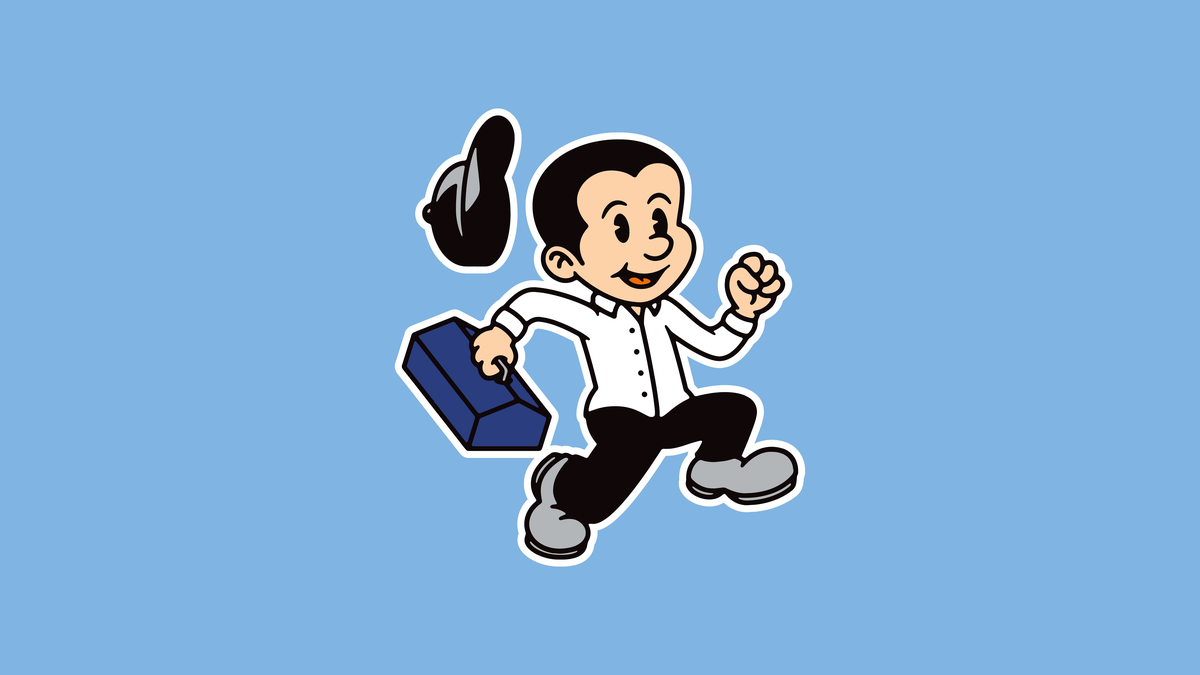
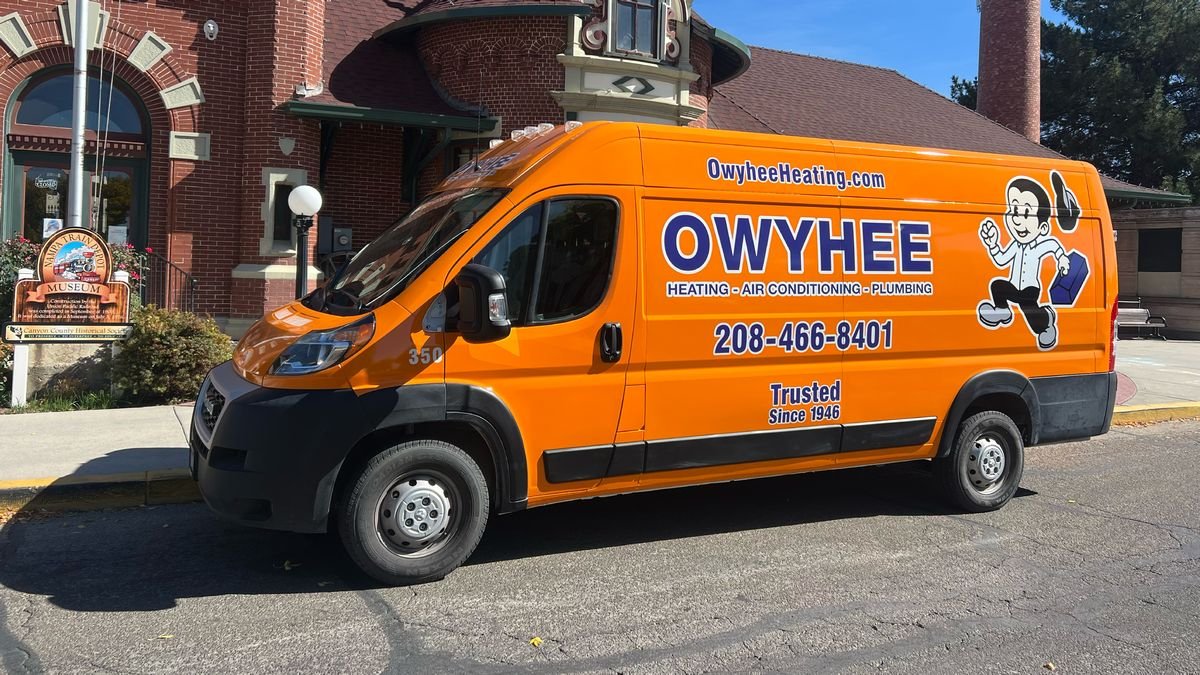
Owyhee Heating And Air Conditioning approached us with a simple but important task: updating a historic logo to modern times while maintaining its vintage charm. We talked to the business owners to get a feel for what they liked and didn’t like about the current logo. The main goal was to give the brand mascot character the correct anatomy and proportions found in a cartoon character from the 1940s.
What Is a Logo Rebrand?
A logo rebrand, on the other hand, involves creating an entirely new logo to represent a significant shift in your company’s direction, mission, or values. This process is more extensive and often coincides with a broader rebranding strategy.
A logo rebrand can also be called a logo redesign. In essence, it’s a more complete transformation in which the new logo design carries forward little to nothing from the original design.
Key Aspects of a Logo Rebrand:
- New Identity: Crafting a new logo that better represents the company’s current vision and market position.
- Strategic Shift: Reflecting substantial changes such as mergers, acquisitions, or a shift in target audience.
- Brand Evolution: Signaling a new chapter in the company’s history, often involving a new brand story and messaging.
- Higher Investment: Typically requires more resources, including market research, design expertise, and marketing efforts.
When to Consider a Logo Rebrand:
Because a logo rebrand is more substantive, it makes sense in situations where a company has undergone more significant shifts, such as a change in ownership, a shift in services, or an overhaul of products. Common examples of situations that necessitate a logo rebrand or redesign include:
- Your business has undergone significant changes that the old logo no longer represents.
- You are entering new markets or targeting a different audience.
- The current logo fails to resonate with your brand’s new direction or values.
Logo Rebrand Example:
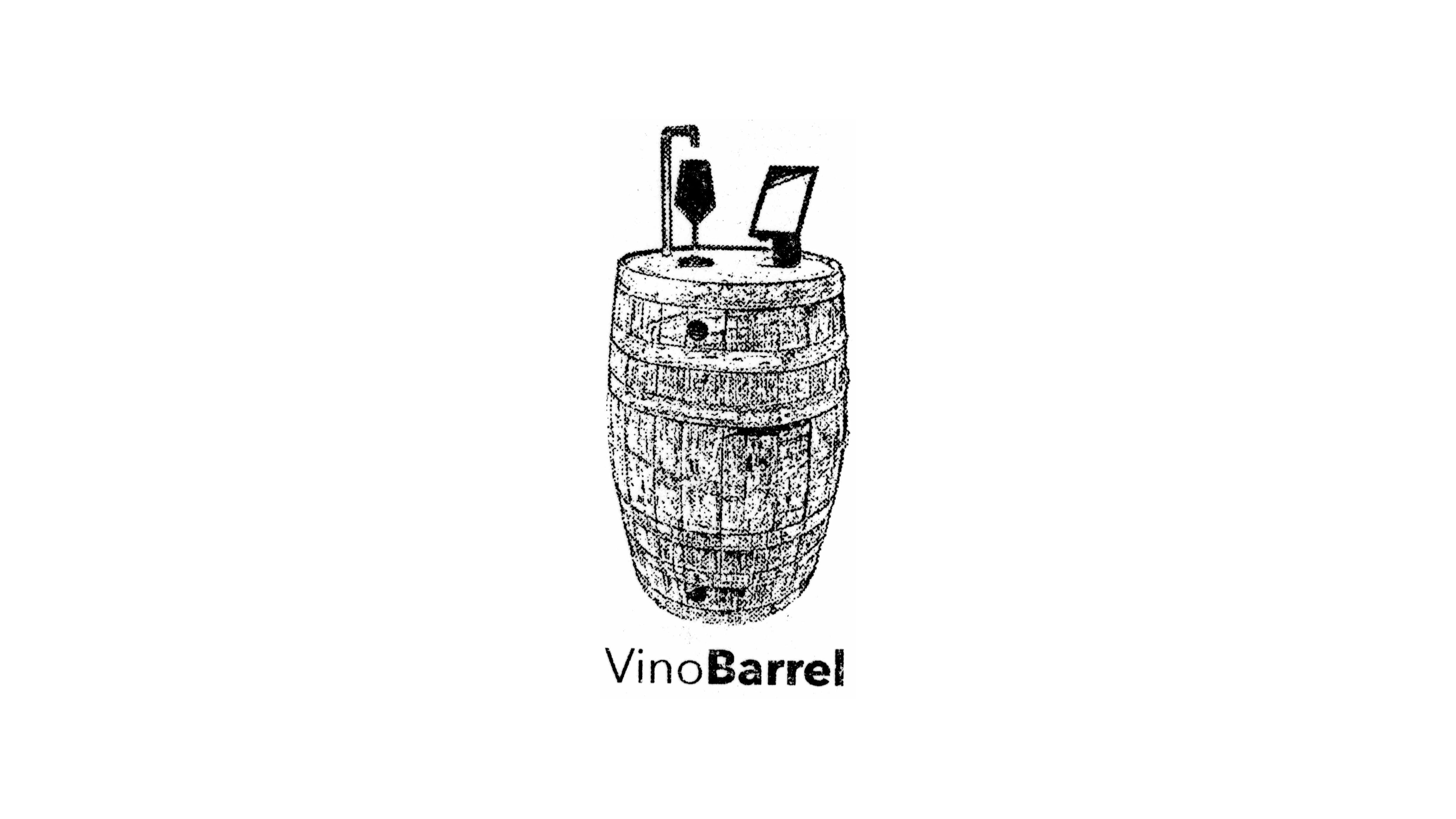
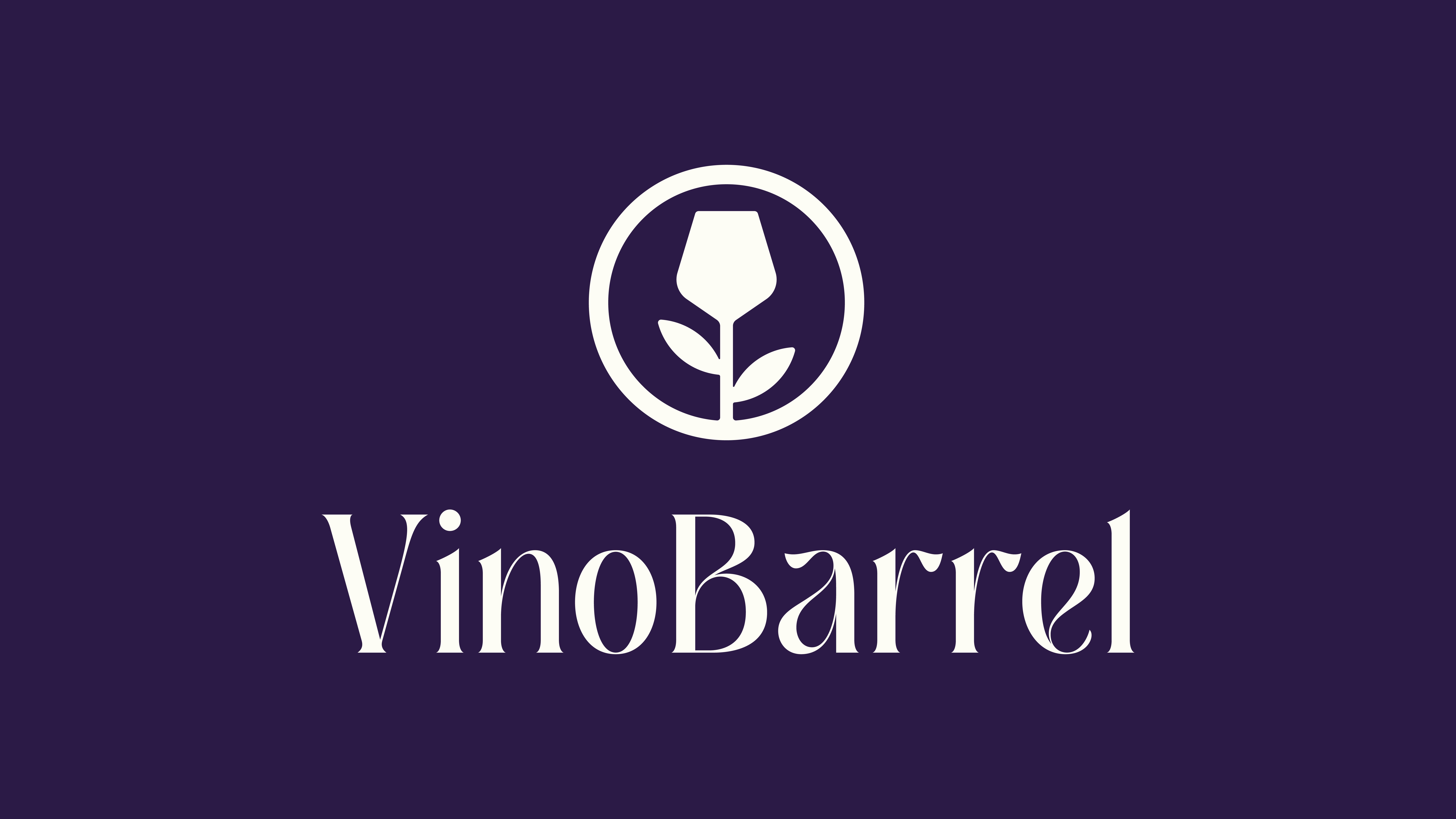
When our team met VinoBarrel’s owner and founder, he had just started the process of launching his patented product. He was in the first round of fundraising and was using a logo one of his friends had thrown together for him. After hearing about our process and how we create logos that capture a brand’s story, he was all in for a full rebrand.
We worked tirelessly to develop a unique logo that told a compelling story about the usefulness of rose bushes in the winemaking process. This story reflects VinoBarrel’s passion for helping people discover their unique abilities and purpose. More of this project can be seen on the VinoBarrel case study page.
Unsure What's Right for You? Reach Out to Dunson Design
Deciding between a logo refresh and a rebrand depends on your business’s specific needs and circumstances. A logo refresh is suitable for minor updates to stay relevant, while a logo rebrand is necessary for more profound changes in your business identity. By understanding these differences, you can make informed decisions that enhance your brand’s impact and longevity.
For expert assistance in logo refresh design or a complete rebrand, contact our branding agency today. We specialize in helping businesses like yours create logos that stand the test of time.